






By Mansi Kapoor, Founder – Simplified Spaces & Certified KonMari Consultant
When “Just in Case” Turns Into “Too Much”
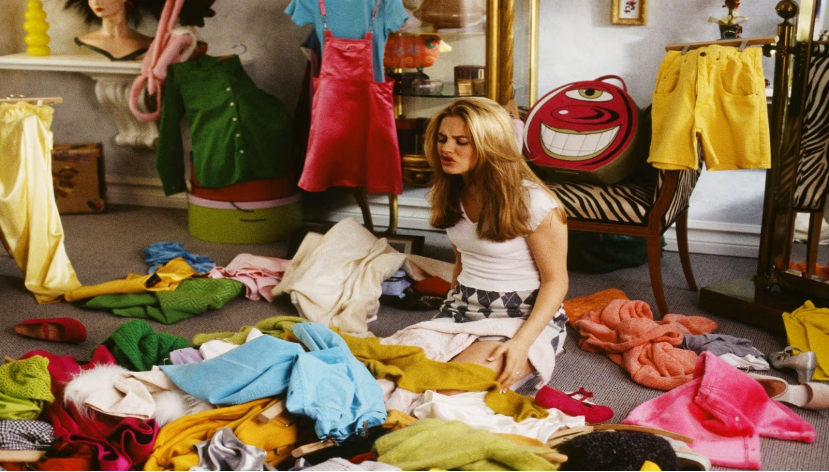
You open your wardrobe looking for one simple outfit, but within seconds, frustration sets in. Clothes you haven’t worn in years hang next to pieces you forgot you even owned. Your kitchen drawers are filled with utensils you rarely use. Old greeting cards, gadgets that “might be useful someday,” and boxes of miscellaneous items slowly pile up in corners of your home. You tell yourself, “I’ll deal with this later.” But later rarely comes. Instead, the clutter grows quietly around you — until one day you realize your home feels more overwhelming than comforting.
If this sounds familiar, you’re not alone. Studies suggest that the average household uses only about 20% of the items they own regularly, while the remaining 80% simply take up space. What begins as harmless accumulation gradually becomes mental and physical clutter.
But the real question is: Why do we hold on to things we don’t actually need? The answer lies not in laziness or poor organization skills, but in human psychology.
The Emotional Psychology Behind Clutter
Clutter isn’t just about physical objects. It’s deeply connected to emotions, memories, identity, and sometimes even fear. Understanding these psychological triggers is the first step toward creating a more intentional and peaceful living space.
1. Sentimental Attachment
Many items represent memories rather than their actual usefulness. Old birthday cards, childhood toys, concert tickets, or gifts from loved ones often hold emotional value.
A study published in the Journal of Consumer Research found that people tend to assign symbolic meaning to possessions, making them feel like extensions of their personal identity.
So when we try to let go of these items, it can feel like we’re letting go of the memory itself — even though the memory will always remain.
2. The “Just in Case” Mindset
Another common psychological trigger is fear of future regret.
You might think:
“What if I need this someday?”
“What if this becomes useful later?”
This mindset leads people to hold on to things they haven’t used in years.
However, research from UCLA’s Center on Everyday Lives of Families found that excessive possessions often increase stress levels, particularly in busy households. Ironically, keeping things “just in case” often creates more anxiety than security.
3. The Sunk Cost Fallacy
Have you ever kept something simply because you spent money on it? Maybe it’s an expensive dress you never wear, a gadget that didn’t work as expected, or furniture that doesn’t fit your lifestyle anymore.
Psychologists call this the sunk cost fallacy— the tendency to hold on to items because of past investment, even when they no longer serve us.
But the truth is simple: Keeping something you don’t use does not recover the money spent. Instead, it only occupies valuable space in your home and mind.
4. Decision Fatigue
Decluttering requires constant decision-making: keep, donate, discard, relocate. Research shows the average adult makes over 35,000 decisions per day. When faced with too many choices, our brain becomes exhausted and begins avoiding decisions altogether. That’s why many people postpone decluttering again and again. It’s not a lack of discipline — it’s simply mental overload.
The Hidden Impact of Clutter on Your Mind
Clutter doesn’t just occupy physical space. It also affects emotional and mental wellbeing. Studies from Princeton University Neuroscience Institute found that visual clutter competes for your attention, making it harder for the brain to focus and process information.
Similarly, research published in Personality and Social Psychology Bulletin discovered that individuals who described their homes as cluttered experienced higher levels of cortisol — the stress hormone.
In simple terms, clutter can lead to:
- Increased stress and anxiety
- Reduced productivity
- Difficulty concentrating
- Lower overall life satisfaction
Your home should feel like a place to recharge, not a space that silently drains your energy.
Practical Steps to Break the Clutter Cycle
Decluttering doesn’t have to be overwhelming. With the right approach, it can actually become a freeing and empowering process.
Here are simple yet powerful steps to begin.
Step 1: Shift Your Mindset
Instead of asking “Should I throw this away?”, try asking: “Does this item support the life I want today?”
This mindset shift — central to the KonMari philosophy — encourages you to focus on what truly adds value to your life, rather than what you feel guilty letting go of.
Step 2: Declutter by Category, Not Location
Many people attempt to organize room by room. However, professional organizers often recommend decluttering by category instead.
For example:
- Clothes
- Books
- Papers
- Miscellaneous items
- Sentimental items
This approach helps you clearly see how much you actually own and prevents duplicates from hiding in different rooms.
Step 3: Create a “Decision Filter”
If you feel stuck, use these quick questions:
- Have I used this in the past year?
- Would I buy this again today?
- Does this item serve a clear purpose in my life?
If the answer is consistently “no,” it may be time to let it go.
Step 4: Start Small
Decluttering your entire home in one day can feel impossible.
Instead, begin with manageable areas such as:
- One drawer
- One shelf
- One handbag
- One category of clothing
Small wins create momentum and make the process feel achievable.
Step 5: Give Items a Second Life
Letting go doesn’t always mean throwing things away.
Many items can be:
- Donated
- Gifted
- Recycled
- Repurposed
Knowing your belongings can benefit someone else often makes it easier to release them.
Professional Insight from Simplified Spaces
As a certified KonMari consultant, I have often observed that clutter is rarely about the items themselves. It’s about unprocessed decisions and emotional attachments.
When people learn to intentionally choose what stays in their home, something powerful happens — they start becoming more intentional in other areas of life as well.
Decluttering isn’t just organizing your belongings. It’s redefining your relationship with what you own.
A well-organized space can improve clarity, reduce daily stress, and allow your home to truly support the life you want to live.
The Key Takeaway
Clutter is not a personal failure — it’s a natural result of emotional attachment, decision fatigue, and modern consumer culture. But once you understand the psychology behind why we hold on to things, letting go becomes much easier.
When you intentionally keep only the items that serve a purpose or bring genuine joy, your home transforms into something powerful: A calm, supportive space that works for you — not against you.
Ready to Simplify Your Space?
If you’re feeling overwhelmed by clutter and don’t know where to start, you don’t have to do it alone. We help individuals and families to create organized, peaceful homes through professional decluttering and KonMari-inspired systems.
Whether you’re looking to transform a single room or your entire home, the right guidance can make the process simple and stress-free. Because sometimes, simplifying your space is the first step toward simplifying your life.
Book your personalized consultation with Simplified Spaces at
Email: getsimplifiedspaces@gmail.com
or follow us for more tips, inspiration and life-transforming organizing insights!
Instagram: https://www.instagram.com/getsimplifiedspaces
Spotify: https://open.spotify.com/show/1Vlw4s6OG1Vj0DZZzB9wpP