







By Mansi Kapoor, Founder – Simplified Spaces & Certified KonMari Consultant
You sit down to start an important task, but somehow your attention drifts. There are piles of papers on the desk, clothes waiting to be folded, random objects scattered across the room, and your phone buzzing somewhere under the clutter. You try to focus, but your mind feels restless and overwhelmed.
Many people assume the problem is lack of motivation or poor time management. In reality, the environment around you plays a powerful role in how your brain functions. Clutter is not just a visual inconvenience—it directly affects your mental clarity, emotional wellbeing, and ability to stay productive.
At Simplified Spaces, we often see how transforming physical spaces can create profound shifts in mindset and daily efficiency. Let’s explore how clutter influences your mind and mood—and more importantly, how you can take practical steps to regain control of your space and productivity.
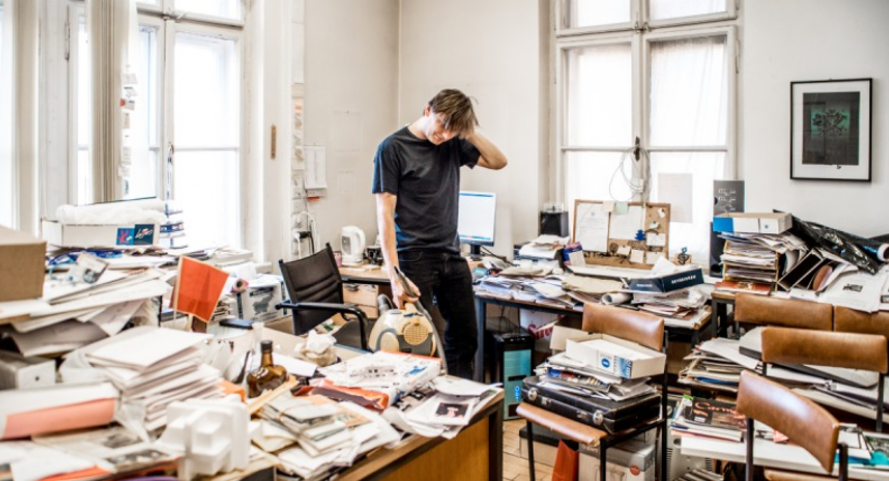
Why Clutter Happens So Easily?
Clutter rarely appears overnight. It accumulates gradually through everyday habits and lifestyle patterns. One of the most common reasons is decision fatigue. Every object we keep represents a decision we’ve postponed—whether it’s a shirt we “might wear someday,” documents we “should review later,” or gifts we feel guilty letting go of.
According to research published by the Princeton University Neuroscience Institute, visual clutter competes for your brain’s attention. When your environment contains too many stimuli, it reduces your ability to focus and process information effectively. Another contributing factor is our increasingly busy lifestyles. Many professionals today are balancing demanding careers, family responsibilities, and digital overload. When time feels limited, organizing often gets pushed to the bottom of the priority list.
Emotional attachment also plays a role. Sentimental items, aspirational purchases, or “just in case” possessions can make it difficult to let things go—even when they no longer serve a purpose. Over time, these small decisions accumulate, and before we realize it, our surroundings start influencing our mental state.
The Psychological Impact of Clutter
Clutter doesn’t just occupy physical space—it occupies mental space too.
1. Increased Stress and Anxiety
A study conducted by the University of California, Los Angeles (UCLA) found that people who described their homes as cluttered experienced higher levels of cortisol, the stress hormone.
When your brain constantly processes visual chaos, it stays in a state of mild alertness. This ongoing stimulation can lead to feelings of tension and overwhelm.
2. Reduced Focus and Productivity
Your brain naturally seeks order. When it is surrounded by disorganization, it must work harder to filter distractions.
In fact, workplace studies suggest that employees spend over 4.3 hours per week searching for misplaced papers or items. That’s more than 200 hours per year lost simply due to disorganization.
3. Emotional Drain and Decision Fatigue
Clutter also increases the number of micro-decisions you face daily.
“What should I do with this?”
“Where did I keep that?”
“Should I throw this away or keep it?”
These small mental decisions slowly drain cognitive energy, leaving you feeling exhausted even before your workday truly begins.
4. Impact on Mood
An untidy environment can create a subconscious feeling of unfinished tasks. Psychologists call this the “open loop effect.” Your brain constantly registers incomplete actions, which can lead to irritability, guilt, and a persistent sense of mental clutter.
Step-by-Step Solutions to Reclaim Your Space
The good news is that clutter is entirely manageable with the right system and mindset. Here are practical steps you can begin implementing today.
Step 1: Start Small, Not Everywhere
One of the biggest mistakes people make is attempting to organize the entire house in a single day. This often leads to frustration and burnout.
Instead, start with one small category or space:
- A single drawer
- Your work desk
- One section of your wardrobe
Completing small areas creates quick wins and builds momentum.
Step 2: Follow the “Keep What Serves You” Principle
A core philosophy of the KonMari method is focusing on what to keep rather than what to discard.
Ask yourself:
- Does this item serve a purpose in my current life?
- Does it bring value or joy?
If the answer is no, it may be time to let it go.
This shift in perspective reduces guilt and helps create a more intentional environment.
Step 3: Create Designated Homes for Items
Clutter often returns when objects don’t have a clear storage location.
Professional organizers recommend the rule: “Every item should have a home.”
Examples:
- A tray for keys and wallets near the entrance
- File folders for important documents
- Clearly labeled storage bins for seasonal items
When objects have defined spaces, tidying becomes effortless.
Step 4: Reduce Visual Noise
Visual clutter can be just as distracting as physical clutter.
Simple strategies include:
- Using closed storage instead of open shelving
- Limiting decorative items to a few meaningful pieces
- Keeping countertops and desks mostly clear
This creates a calmer visual environment that allows your mind to focus.
Step 5: Establish a 10-Minute Reset Routine
Maintaining an organized space doesn’t require hours of effort every day.
A simple 10-minute evening reset can prevent clutter from accumulating.
During this time:
- Return items to their designated places
- Clear surfaces
- Prepare your workspace for the next day
Small daily habits are far more effective than occasional large cleaning sessions.
Professional Organizer Insights:
At Simplified Spaces, one of the most common transformations we see is how decluttering changes not just homes—but mindsets.
Clients often report that once their physical space becomes organized:
- They feel calmer and less anxious
- Their productivity improves significantly
- Daily routines become smoother and faster
- Decision-making becomes easier
Decluttering also creates what we call “mental breathing room.”
When your environment supports you rather than overwhelms you, your brain can focus on creativity, problem-solving, and meaningful activities instead of constant background stress.
The Key Takeaway
Clutter is not merely about untidy spaces—it’s about the way our surroundings influence our mental clarity, emotional wellbeing, and productivity. When objects accumulate without intention, they create hidden mental load that affects how we think and feel every day.
By making conscious decisions about what we keep and how we organize our spaces, we can create environments that support focus, calmness, and efficiency. A simplified space truly leads to a simplified mind.
Ready to Create Your Simplified Space?
If you’re feeling overwhelmed by clutter or unsure where to begin, you don’t have to tackle it alone.
Whether it’s decluttering a single room or organizing your entire home, the right guidance can make the process easier, more intentional, and even enjoyable. Start your journey toward a clearer space and a calmer mind.
Book your personalized consultation with Simplified Spaces at
Email: getsimplifiedspaces@gmail.com
or follow us for more tips, inspiration and life-transforming organizing insights!
Instagram: https://www.instagram.com/getsimplifiedspaces
Spotify: https://open.spotify.com/show/1Vlw4s6OG1Vj0DZZzB9wpP