




By Mansi Kapoor, Founder – Simplified Spaces & Certified KonMari Consultant
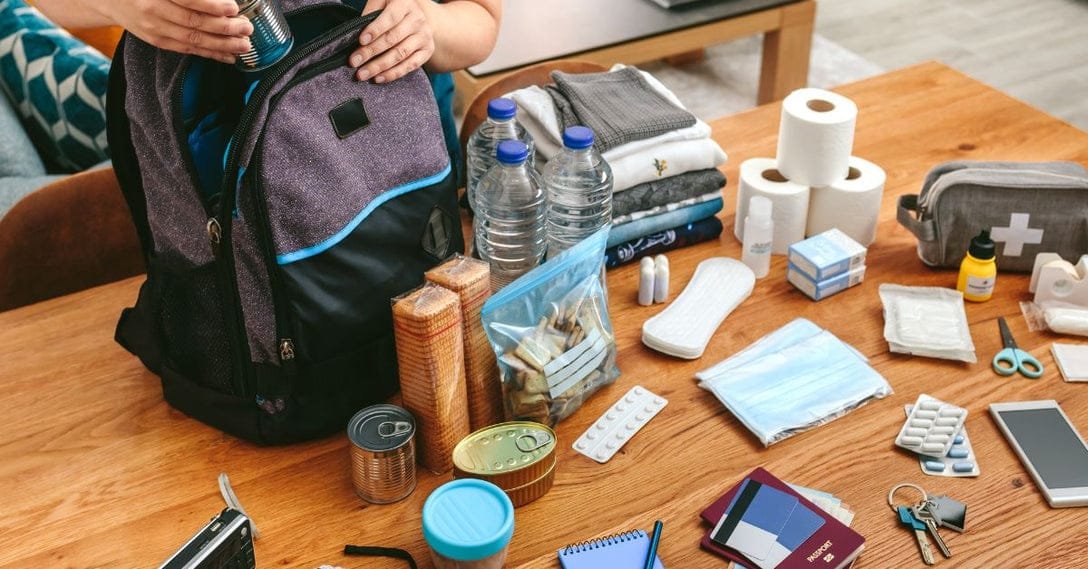
You open your wardrobe to pick an outfit, and instead of ease, you’re met with hesitation. That dress you haven’t worn in three years? “Maybe I’ll need it someday.” The stack of old cables in your drawer? “What if one of them comes in handy?” The extra containers, duplicate items, and sentimental pieces you don’t even like anymore—they all stay, quietly occupying space in your home and your mind.
If this sounds familiar, you’re not alone. The “just in case” mindset is one of the most common barriers to decluttering. It’s subtle, logical-sounding, and deeply ingrained—making it incredibly difficult to challenge. But over time, it leads to overcrowded spaces, decision fatigue, and a constant sense of mental clutter. At Simplified Spaces, we believe that decluttering is not just about what you remove from your home—it’s about what you release from your mind.
Why the ‘Just in Case’ Mindset Is So Powerful?
The tendency to hold onto things “just in case” is rooted in both psychology and experience. Fear of scarcity plays a major role. Whether shaped by upbringing, past financial uncertainty, or cultural values, many people are conditioned to believe that letting go could lead to regret later. Keeping things feels like a form of protection.
There’s also the fear of making the wrong decision. Letting go of something permanently can feel irreversible, and the human brain naturally avoids decisions that carry even a small risk of regret.
Additionally, emotional attachment often disguises itself as practicality. That extra set of dishes isn’t just for “guests”—it represents hospitality. Old clothes aren’t just fabric—they represent memories, identity, or even aspirations.
Research published in the Journal of Consumer Research suggests that people tend to overestimate the likelihood of needing stored items in the future, while underestimating the cost—both mental and physical—of holding onto them. In reality, most “just in case” items are rarely, if ever, used again.
The Hidden Cost of Holding On
While keeping things may feel safe, it comes with consequences that often go unnoticed.
Clutter increases stress levels. A study by UCLA’s Center on Everyday Lives of Families found that cluttered environments are linked to higher levels of cortisol, the stress hormone—especially in women.
It drains your time and energy. The more you own, the more you have to manage, clean, organize, and think about.
It impacts decision-making. When every item carries a “what if,” even simple choices become overwhelming. Most importantly, clutter prevents you from fully appreciating what you already have.
How to Break Free: Step-by-Step Solutions?
Letting go of the “just in case” mindset doesn’t mean becoming careless—it means becoming intentional. Here’s how to start:
1. Challenge the ‘What If’ Thought
When you catch yourself thinking, “What if I need this someday?”, pause and reframe the question:
- What are the realistic chances I’ll need this?
- If I did need it, could I replace or borrow it?
- Is keeping this worth the space and mental load it creates today?
In most cases, the answer reveals that the risk of letting go is far smaller than it feels.
2. Set Clear Boundaries for ‘Just in Case’ Items
Instead of completely eliminating the category, create a defined space for such items—a single box, a shelf, or a drawer. Once that space is full, something must go before something new is added. This keeps “just in case” from becoming “just in clutter.”
3. Use the 90/90 Rule
Ask yourself:
- Have I used this in the last 90 days?
- Will I realistically use it in the next 90 days?
If the answer is no to both, it’s likely not essential. This rule works particularly well for clothes, kitchen tools, and miscellaneous household items.
4. Focus on Accessibility, Not Ownership
We often keep things because we think we need access to them—not necessarily ownership. In today’s world, many items can be rented, borrowed, or easily purchased when needed. From tools to occasion wear, accessibility is often just a call or click away. Shifting your mindset from ownership to access can significantly reduce the urge to hold on.
5. Let Go of ‘Future You’ Pressure
A common trap is holding onto items for a version of yourself that may never exist:
- Clothes that don’t fit but “might someday”
- Hobby supplies you haven’t touched in years
- Items tied to goals you’ve outgrown
Instead, honor who you are today. Your space should reflect your current lifestyle, not a hypothetical future.
6. Start Small to Build Confidence
Decluttering an entire home can feel overwhelming, especially when emotional decisions are involved.
Start with low-stakes areas:
- Expired products
- Duplicate items
- Broken or unusable things
Each small decision builds confidence, making it easier to tackle more emotionally charged items later.
Professional Organizing Insights
We often see that the biggest shift isn’t physical—it’s mental. One effective approach is the “replaceability test.” If an item can be replaced in under 20 minutes for a reasonable cost, it usually doesn’t deserve long-term storage.
Another strategy is the “visual space reset.” Clear a small area completely—a drawer, a shelf, or a corner—and only return items that serve a clear purpose. This helps you experience the calm and clarity of a decluttered space firsthand. We also encourage clients to practice intentional gratitude. When you appreciate what you already have, the need to hold onto excess naturally decreases.
A Real-Life Example
Consider Neha, a working professional who struggled with letting go of old office wear, duplicate kitchen items, and unused electronics. Her reasoning was always the same: “What if I need it later?” When we worked together, we created a single “just in case” storage box and applied the 90/90 rule to the rest of her belongings. Within weeks, she noticed a shift—not just in her home, but in her mindset. Her mornings became smoother. Decision-making felt lighter. And most importantly, she no longer felt weighed down by the constant “what if.”
Key Takeaway
The ‘just in case’ mindset is less about the items you keep and more about the fears you hold. When you begin to question those fears and replace them with intentional choices, both your space and your mind become lighter. Decluttering isn’t about deprivation—it’s about creating room for clarity, ease, and what truly matters.
A Gentle Next Step
If you’re ready to move beyond the “just in case” mindset but don’t know where to start, you don’t have to do it alone. At Simplified Spaces, we help you create systems that are not only functional but also aligned with your lifestyle and mindset.
Book your personalized consultation with Simplified Spaces at
Email: getsimplifiedspaces@gmail.com
or follow us for more tips, inspiration and life-transforming organizing insights!
Instagram: https://www.instagram.com/getsimplifiedspaces
Spotify: https://open.spotify.com/show/1Vlw4s6OG1Vj0DZZzB9wpP